
Why Safety Is the Foundation of Modern Mobility
As cities continue to grow and commuter demand increases, the importance of safe and reliable transport systems has never been greater. Urban mobility is no longer only about moving people efficiently—it is also about protecting passengers, operators, and communities through structured and responsible transport operations.
Modern cities depend on transport systems that are:
- Safe and professionally managed
- Operationally disciplined
- Technology-enabled
- Reliable under growing urban pressure
Building safer urban transport systems is essential for improving commuter confidence, reducing operational risks, and supporting sustainable city growth.
The Importance of Safety in Urban Mobility
Public transport plays a critical role in everyday life. Millions of commuters depend on transport systems daily to access:
- Work and business opportunities
- Education and institutions
- Healthcare services
- Commercial and social activities
Because transport systems directly affect public safety and economic productivity, safety standards must remain a top operational priority.
A safe transport system contributes to:
- Reduced accident risks
- Better commuter confidence
- Improved operational reliability
- Greater public trust in mobility systems
- More organized urban movement
Technology Is Improving Transport Safety
Modern mobility systems are increasingly using technology to strengthen operational oversight and improve passenger protection.
Key technologies transforming transport safety include:
GPS Fleet Tracking
Real-time tracking systems provide continuous visibility of vehicle movement, route adherence, and operational status.
Speed Monitoring Systems
Speed regulation technologies help enforce responsible driving practices and improve road safety compliance.
Control Center Monitoring
24/7 operational monitoring allows rapid response to incidents, emergencies, or route disruptions.
Predictive Operational Systems
Data-driven scheduling and monitoring systems help identify operational risks before they escalate.
Technology improves not only operational efficiency but also accountability and safety transparency across fleet systems.
Professional Driver Management Matters
Drivers and operational crews are central to transport safety.
Modern fleet systems increasingly prioritize:
- Professional driver recruitment
- Safety certification and training
- Continuous performance monitoring
- Customer service standards
- Responsible operational discipline
Well-trained drivers contribute to:
- Safer road behavior
- Better passenger experience
- Reduced operational incidents
- Improved transport reliability
Professional workforce management is becoming a defining factor in modern transport operations.
Fleet Maintenance Is Essential
Vehicle condition directly impacts passenger safety and operational performance.
Effective fleet management requires:
- Routine vehicle inspections
- Preventive maintenance systems
- Mechanical performance monitoring
- Compliance with safety standards
- Immediate response to technical issues
Proactive maintenance programs help:
- Reduce vehicle breakdowns
- Improve operational continuity
- Extend fleet lifespan
- Enhance passenger safety and comfort
Well-maintained vehicles are essential for building commuter trust and reliable transport systems.
Safety Builds Public Confidence
Passengers are increasingly choosing transport services that provide:
- Predictable operations
- Visible safety measures
- Professional service standards
- Clean and comfortable environments
- Reliable communication systems
When commuters feel safe, transport systems become more trusted and widely adopted.
Strong safety standards improve:
- Passenger satisfaction
- Operational reputation
- Long-term customer loyalty
- Investor and institutional confidence
Safety is not just operational—it is strategic.
The Future of Safe Urban Transport
As urban mobility evolves, safer transport systems will increasingly rely on:
- Smart mobility technology
- Data-driven operational oversight
- Integrated monitoring systems
- Sustainable fleet management
- Strong regulatory compliance frameworks
Future-ready mobility systems will prioritize not only movement efficiency but also passenger protection, operational accountability, and long-term urban sustainability.
Cities that invest in safer mobility systems will be better positioned to support economic growth, improve urban productivity, and enhance quality of life.
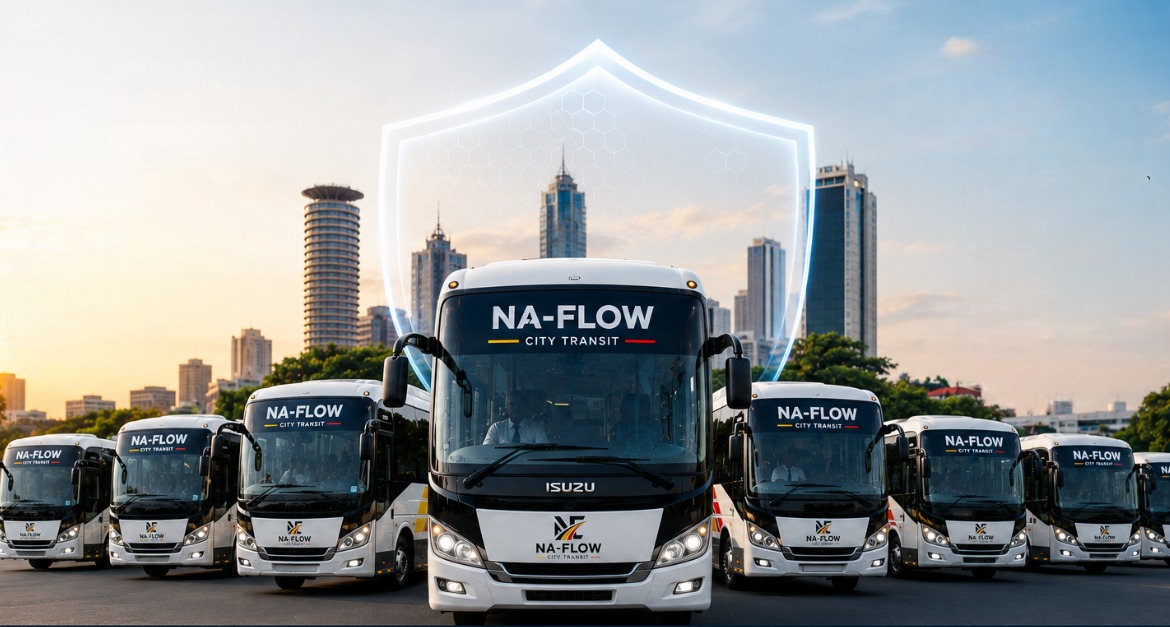
Na-Flow Fleet’s Commitment to Safety
At Na-Flow Fleet, safety is built into every aspect of our operations.
From professional driver management and real-time fleet monitoring to structured maintenance systems and operational oversight, we are committed to delivering transport experiences that passengers can trust with confidence.
We believe safer mobility creates stronger cities, better commuter experiences, and more sustainable transport ecosystems for the future.
Over the last 35 Years we made an impact that is strong & we have long way to go.
These are the concepts that shape our distinctive culture & differentiate us from others. They ture the unique spirit of our Firm guide the behaviors that enable us to deliver the promises we make to our clients and our people.