

Understanding the Rise of Modern Mobility Investments
Urban mobility is rapidly becoming one of the most important sectors in Africa’s economic transformation. As cities continue to expand and populations grow, the demand for reliable, structured, and efficient transport systems continues to rise.
This growing demand is creating significant opportunities for investors looking to participate in industries with long-term growth potential and consistent daily market activity.
Fleet investment is no longer viewed as simply owning vehicles—it is increasingly recognized as participation in a broader mobility ecosystem powered by technology, infrastructure, and urban development.
The Growth of Urban Populations
Africa is experiencing one of the fastest urbanization rates in the world. Cities such as Nairobi continue to expand as more people move into urban areas for employment, education, and business opportunities.
With this growth comes:
- Increased daily commuter movement
- Greater pressure on transport systems
- Rising demand for organized mobility solutions
- Expansion of residential and commercial corridors
This creates a continuous and growing need for efficient commuter transport services.
Urban mobility is becoming essential infrastructure for economic productivity and city functionality.
Daily Demand Creates Continuous Market Activity
Unlike many industries that experience seasonal demand fluctuations, urban transport operates within a highly active daily market.
Millions of commuters rely on transport systems every day for:
- Work and business travel
- Education and school transportation
- Access to services and commerce
- Urban and regional movement
This creates consistent operational demand across key commuter routes and transport corridors.
For investors, this means participation in a sector supported by ongoing daily utilization rather than occasional market cycles.
The Shift Toward Structured Transport Systems
Modern cities are increasingly moving toward:
- Organized fleet systems
- Digitally integrated operations
- Professional transport management
- Technology-enabled mobility solutions
Passengers today expect more than transportation—they expect:
- Reliability
- Safety
- Convenience
- Comfort
- Predictable service delivery
Transport operators that combine operational discipline with smart mobility systems are better positioned to capture long-term market growth.
This transformation is opening new investment opportunities within professionally managed fleet operations.
Technology Is Reshaping Fleet Operations
Technology has significantly improved how modern fleet systems operate.
Innovations such as:
- GPS fleet tracking
- Smart fare collection systems
- Predictive scheduling
- Operational analytics
- Real-time monitoring systems
have increased operational efficiency, transparency, and performance management.
Technology-driven operations help:
- Reduce operational inefficiencies
- Improve route optimization
- Strengthen fleet monitoring
- Enhance commuter experience
- Improve scalability across networks
For investors, these systems create more structured and professionally managed operational environments.
Fleet Assets Support Long-Term Value
Transport fleets represent operational assets connected to essential urban infrastructure and daily economic activity.
Well-managed fleet systems can support:
- Operational scalability
- Asset utilization
- Long-term mobility demand
- Expansion into new transport corridors
- Integration with evolving smart city systems
As mobility infrastructure improves across African cities, fleet systems are expected to play an increasingly important role within urban economies.
Professional Management Is Driving Investor Confidence
Historically, transport operations were often viewed as highly informal and operationally inconsistent.
Today, the sector is evolving through:
- Professional management structures
- Regulatory oversight
- Safety compliance systems
- Structured operational frameworks
- Institutional partnerships
This shift is increasing investor confidence and helping position mobility as a more structured and scalable investment category.
Investors are increasingly attracted to transport systems that prioritize:
- Operational discipline
- Transparency
- Technology integration
- Scalable growth models
- Long-term infrastructure relevance
The Future of Mobility Investment
The future of urban transport is expected to be driven by:
- Smart mobility systems
- Connected transport networks
- Data-driven operations
- Sustainable fleet management
- Integrated urban infrastructure
As cities continue to modernize, mobility will remain central to economic growth, workforce movement, and urban productivity.
This positions fleet investment as part of a broader long-term transformation within Africa’s infrastructure and mobility sectors.
A Sector Positioned for Growth
Fleet investment is increasingly becoming more than vehicle ownership—it is becoming participation in the future of how cities move.
As demand for safe, reliable, and professionally managed transport continues to rise, structured mobility systems are expected to play a critical role in shaping modern urban life.
Investors who understand the long-term importance of mobility infrastructure are positioning themselves within one of the continent’s most active and evolving sectors.
Moving Forward With Na-Flow Fleet
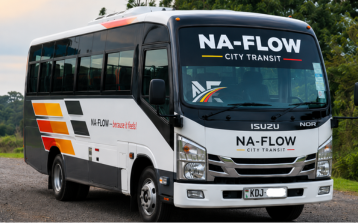
At Na-Flow Fleet, we are committed to building modern mobility systems that combine operational excellence, technology integration, safety, and scalable growth strategies.
Our vision is to create transport ecosystems that are efficient, investment-ready, and aligned with the future of urban mobility across Africa.
Over the last 35 Years we made an impact that is strong & we have long way to go.
These are the concepts that shape our distinctive culture & differentiate us from others. They ture the unique spirit of our Firm guide the behaviors that enable us to deliver the promises we make to our clients and our people.